Duck: A Craft Fair-Ready Embroidery Design
First Impression: Whimsical, Approachable, and Instantly Recognizable
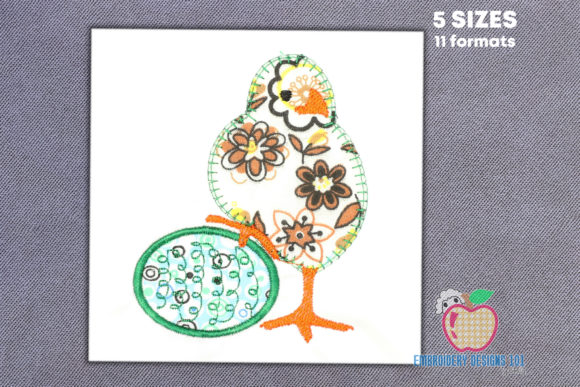
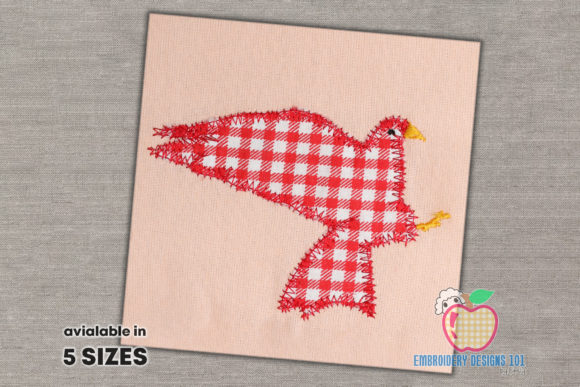
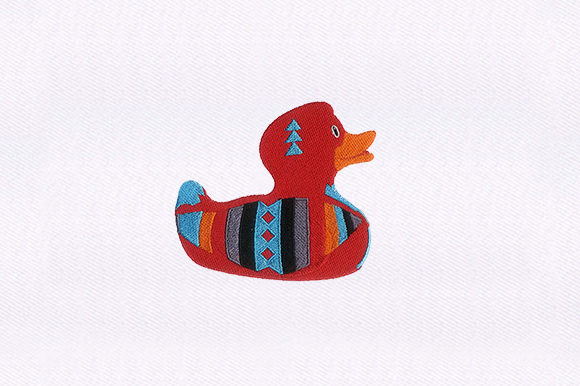
As an embroidery designer who’s prepped over 200 craft fair booths—and watched real customers pause, point, and smile at a single stitch—I can say this: Duck lands with quiet confidence. It’s not loud or cartoonish, nor is it overly refined or stiff. It reads as friendly farmhouse with a modern silhouette—soft curves, balanced negative space, and just enough detail to feel handmade without looking fussy. That’s gold for handmade markets. Customers don’t stop for “technically impressive.” They stop for charm they can *feel*. Duck delivers that in under three seconds.
Where Duck Shines on Craft Fair Products
Duck isn’t one-note—it adapts beautifully across product types, but some pairings elevate it from cute to *must-buy*:
- Tote bag design: Centered on a natural canvas or oat linen tote, Duck reads cleanly from six feet away. Its rounded shape balances the bag’s structure, and the lack of fine linework means it holds up even after repeated washing and folding.
- Apron embroidery: Positioned just above the pocket (not too high, not too low), Duck adds personality without competing with stains or splatters. It feels intentional—not like an afterthought.
- Tea towel embroidery: Works best on medium-weight cotton or linen blends. Avoid ultra-textured waffle weaves—the design’s gentle contours get lost. On smooth tea towels? It reads crisp, cheerful, and giftable.
- Embroidered patch: Duck scales down elegantly to 2.5”–3”. Perfect for iron-on or sew-on patches on denim jackets, market bags, or kids’ backpacks. Its simplicity means no thread nesting or fraying at edges.
- Pillow cover & small pouch: Here, Duck becomes a focal point—not filler. Its proportions fill the visual “sweet spot” on 12”–16” squares without overwhelming. Pair it with solid-color linen or chambray for instant boutique appeal.
What Holds Duck Back (and How to Fix It)
Duck is strong—but not invincible. As a machine embroidery design, it has practical limits you’ll notice fast on the floor:
- Small lettering or dense stitch areas? Not present in Duck—good news. That means lower risk of thread breaks, puckering, or stabilizer show-through on dark fabric or textured towels.
- Curved surfaces (like caps)? Duck’s clean outline and modest height make it viable for front-panel cap embroidery—if your hoop size allows full placement without distortion. Test on scrap first; avoid placing near the bill seam.
- Dark fabric or thick layers? Duck’s open shape and moderate stitch density mean it won’t sink into heavy twill or fleece. But always use tear-away + light cut-away stabilizer combo for crispness.
- Small sizes? Below 1.75”, subtle beak or eye details may blur. Stick to ≥2” for patches, ≤1.5” only if used as part of a grouped motif (e.g., Duck + egg + nest).
Photography, Listings, and Online Conversion
Duck photographs exceptionally well—no surprise, given its balanced contrast and clear silhouette. For Etsy sellers and digital embroidery file shops, that’s critical. It pops on white, cream, and muted sage backgrounds. On mockups, it reads instantly—even in thumbnail size. That clarity boosts click-through rates and reduces customer questions (“Is that a duck or a goose?”). And because it doesn’t rely on tiny gradients or blended fills, color variations (navy thread on oat linen, mustard on charcoal) stay true across devices. As a printable mockup asset, Duck adds warmth and cohesion to your shop banner, listing headers, and social bios.
Booth Impact & Buyer Engagement
At a crowded craft fair, Duck helps your table *breathe*. Unlike busy florals or intricate monograms, it gives the eye a resting place—then invites closer inspection. I’ve watched buyers pick up a Duck-embroidered tea towel, turn it over to check stitching quality, then immediately ask, “Do you have this on aprons too?” That’s engagement you can’t fake. It also supports brand consistency: if your line includes other Birds designs, Duck anchors them with recognizable tone—playful but polished, handmade but professional.
Production Notes Every Embroidery Designer Should Run Through
Before cutting your first production run, treat Duck like a new collaborator—not just a file:
- Test the machine embroidery design on scrap fabric matching your final product (e.g., unbleached canvas for totes, terry cloth for towels).
- Check thread contrast—especially on dark or heathered fabrics. Duck’s shape holds up, but poor contrast kills perceived value.
- Review spacing and stitch density in your embroidery software. Look for any overlapping satin columns or underlay gaps that could cause shifting.
- Confirm hoop size compatibility. If Duck requires a 5x7 hoop but your cap frame is 4x4, adjust placement or skip caps entirely.
- Use the right stabilizer: medium-weight cut-away for stretchy knits, tear-away for stable wovens, and fusible + tear-away for lightweight linens.
- Create at least one real, finished mockup—not digital. Hold it. Fold it. Wash it (if applicable). See how Duck behaves off-screen.
- Compare fabric colors side-by-side. A warm oat linen makes Duck feel cozy; cool gray denim makes it feel modern. Let the material guide your palette.
- Verify commercial licensing before selling finished products. Duck is a machine embroidery design—confirm whether your source permits resale of embroidered goods, not just the digital embroidery file.
Final Thought: Duck Is a Quiet Workhorse
It won’t shout. It won’t trend-jack. But Duck earns trust—fast. For Etsy sellers building a cohesive collection, for small shop owners curating market-ready handmade products, and for embroidery business owners scaling batch production without sacrificing charm, Duck delivers reliable returns. It fits naturally into spring markets, farm-to-table boutiques, kitchen-focused pop-ups, and gift shops seeking timeless-but-fresh design assets. In short: Duck isn’t just another Birds embroidery file. It’s a craft fair conversation starter, a booth anchor, and a repeatable signature piece—all stitched into one thoughtful machine embroidery design.